LINK TO THE STRATEGIC PLAN
B.C. College of Cannabis Dispensers
STRATEGIC PLAN 1.0
Introduction
History
College
Stakeholders and Steering Committee
Prescribing Authority
Policy
Conclusion
Introduction
After a quarter of a century of legal medical cannabis in Canada, it is apparent that a new type of professional is required to provide advice to patients about the various potential uses of this complicated herb. Millions of Canadians now use legal cannabis products with no medical advice. It is time for a new field of medical cannabis specialists to fill the gap between patients, pharmacists, researchers and doctors.
The BC College of Medical Cannabis Dispensers will develop educational programs for individuals to become certified to discuss the use of cannabis as a medicine to patients and sign them up to the federal medical cannabis program. Since health care professionals no longer need to be consulted before gaining access to cannabis, there is no longer a reason to include them as a gatekeeper to the federal program. Certified dispensers will replace doctors as gatekeepers into the federal medical cannabis program, giving customers in legal retail stores easy access to qualified experts in the use of cannabis as medicine.
History
From the beginning the medical cannabis program was deeply flawed as Health Canada reluctantly drafted regulations that the courts forced them to create. Health Canada required doctors to authorize its use but not actually prescribe it because it does not have a Drug Identification Number. Doctors were placed as gatekeepers to the program because the medical community believes cannabis is a dangerous drug that should only be used as a last resort after all other options were tried.
Another reason the medical cannabis program was inadequate from the start is because Health Canada solely focused on smoking cannabis for medical purposes. Requiring doctors to authorize the number of grams a patient needed every day is easy for patients smoking dry herb but for those using concentrates, edibles, suppositories or topicals, the formula is cumbersome. Now most people looking to use cannabis as a medicine are looking for alternatives to smoking, which is an area very few physicians are knowledgeable about.
Doctors have been placed in a very difficult position by Health Canada in this situation. They have been asked to authorize the use of an intoxicating substance for medical use without having the information about effects and potential drug interactions normally available to them when drug obtains a D.I.N. Without adequate information, doctors have blindly authorized the use of cannabis for medical purposes, without any knowledge of strains, methods of ingestion or an understanding of how it is processed into non-smoked forms.
Pharmacists have also been frustrated with Health Canada’s approach to dispensing cannabis for medical purposes. Normally, a pharmacist has an opportunity to discuss effects and potential drug interactions with patients, but the mail order program does not include them at any stage. Unable to sell cannabis products without a D.I.N., pharmacists have been systematically excluded from the medical cannabis program.
College
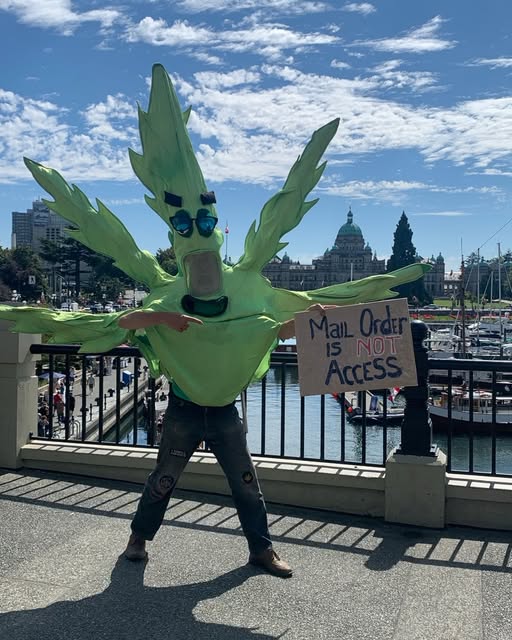
To fill this void, we are forming the B.C. College of Medical Cannabis Dispensers to certify individuals to give advice about the medical uses of cannabis and sign patients up to the federal program. Since before courts began protecting patients, employees and volunteers at compassion clubs have provided advice on the use of cannabis products for medical purposes based on their experience, research and knowledge learned from other patients. Formalizing this field of profession will provide patients with direct access to an informed caregiver while relieving physicians and other medical professionals from being gatekeepers of a program they did not want to be a part of in the first place.
The BCCMCD will develop a comprehensive educational program that will ensure graduates fully understand how to make the best use of the full range of cannabis products available. Once the exams have been passed, certified cannabis dispensers will have proven their understanding of all aspects of using cannabis as a medicine and be able to work in various settings. The college will provide updates to graduates as science, products and regulations evolve.
One of the more important functions of the college will be the collection and dissemination of research. Certified cannabis dispensers will be able to assist patients wanting to connect with research projects looking into the benefits of cannabis as medicine. Though Health Canada has put little effort into understanding the full potential of cannabis as a medicine, particularly high dose, whole-plant edibles, the college will seek partnerships with various research institutes to ensure graduates have current, accurate and relevant information.
Stakeholders and Steering Committee
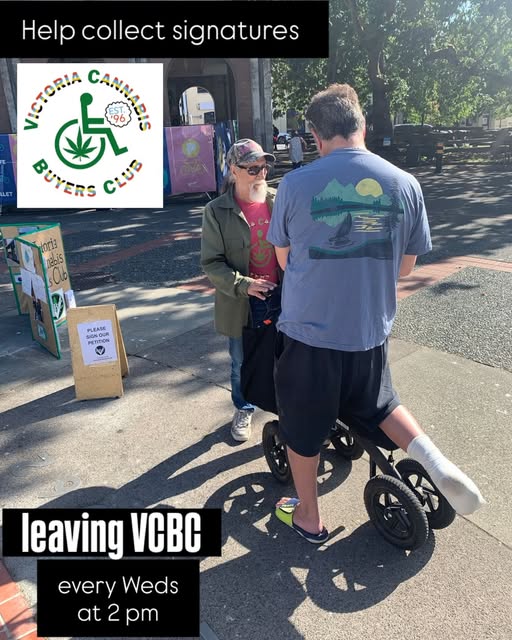
To create this initiative, a group of stakeholders and a steering committee are being formed by Ted Smith with guidance from veteran medical cannabis educator Jennifer Collett. Though developing a college has been a recent idea, the concept of a cannabis nurse has been floated around for many years by various professionals. By using the many contacts they have developed over the years, Ted and Jennifer are confident that the team they are gathering will form a solid basis for this institution to build upon.
At this point, a total of 12 different stakeholders have been identified, covering a broad range of organizations that have a vested interest in seeing this project become a reality. These include, in no specific order: First nations, doctors, nurses, Licensed Producers, Retailers, Compassion Club, researchers, pharmacists, academics, cannabis educators, provincial and federal governments. A minimum of two representatives are being chosen for each stakeholder group, though some may have several representatives.
These stakeholders will essentially act as an advisory board to the college. Representatives will both assist the college in the development and dissemination of information and research while also reporting to their constituency as much as possible. Stakeholders may have more than one role in the organization.
An executive committee will also be created to incorporate the college, generate funding, organize conferences, publish materials and support the work of the stakeholders. This smaller group of 5 to 7 individuals will form the basis upon which the college will be built. Initially, the executive committee will be responsible for directing the stakeholders, generating startup funds, establishing relationships with the government, hiring staff and contractors, developing educational materials, connecting with current research and promoting the goals of the organization to the general public.
Prescribing Authority
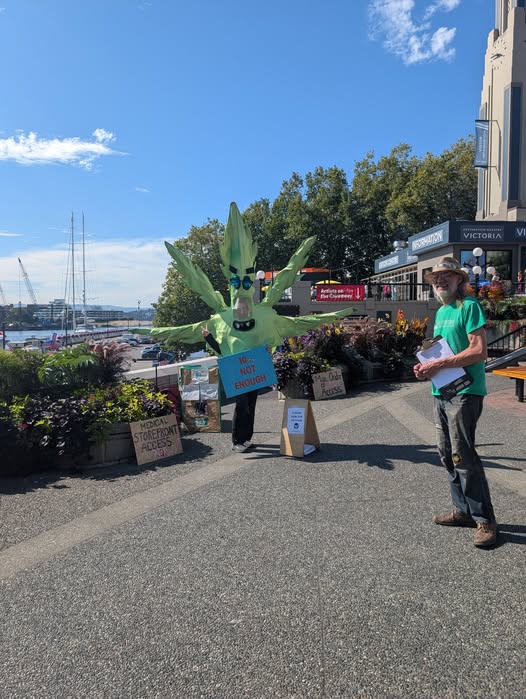
Entry into the federal medical cannabis program has been in the hands of doctors and other prescribing medical professionals, though the deciding factor on whether or not a patient qualifies for the program is how serious their medical condition is. While it takes a degree in medicine to be able to diagnose a patient, one does not have to become a doctor to be able to discern that a person has paperwork confirming they have a serious medical problem. Initially it was important for doctors to restrict access to the program, but now that cannabis is available to the general public, it is an unnecessary burden to the medical community to be required to be a part of the medical cannabis program.
Once medical cannabis dispensers are able to provide advice on the use of cannabis products as medicine, legal retail stores could hire them to work at the counter. This would ensure that individuals new to cannabis could have a face-to-face conversation about their various options with an informed staff person who could help them over time as they become accustomed to this plant medicine. Currently, budtenders in legal retail stores are unable to provide advice on the use of cannabis products for medical purposes, while the vast majority of people using cannabis as a medicine purchase from those stores despite the lack of information available to them there.
Policy
We will start by advocating to the BC government to assist in the creation and inclusion of the BCCMCD into the regulatory system. Given that BC has a long history of compassion clubs in which many individuals provided advice, it is fitting to start in the province that led the fight for access to cannabis for medical use. With the B.C. Ministry of Agriculture having taken over most of the responsibilities regarding cannabis provincially, we will work with various levels of government to bring industry, academics, policy makers, and healthcare professionals together to launch this initiative.
Of course, in order for these changes to occur, Health Canada will need to amend various regulations. Getting Health Canada to change its requirement to join the federal medical cannabis program from a prescribing healthcare professional to a certified medical cannabis dispenser will be a difficult challenge. However, we feel there will be strong support for the creation of this college and the certification of medical cannabis dispensers in the legal industry, the medical community and in the general public.
Conclusion
Creating an organization of professionals focused on the medical uses of cannabis will benefit patients, health care providers, the legal cannabis industry, researchers and government. Giving retailers the ability to hire staff able to sign patients up to the federal medical cannabis program will greatly improve outcomes for patients and relieve medical professionals from being asked to authorize a plant they know little about. The BC College of Medical Cannabis Dispensers will set the standards for certifying medical cannabis specialists and bring together a team of experts to help develop research into the various uses of this herb.